Precision aluminum casting applications across commercial sectors
How Shop Services Enhance Manufacturing Efficiency and High Quality in Industrial Applications
Shop services play a vital role in boosting manufacturing efficiency and high quality across various commercial applications. By executing advanced metal casting techniques, these services ensure parts are manufactured with accuracy and consistency. This not just minimizes lead times yet additionally lessens waste, fostering much better cooperation between producers and factories. The influence of high-quality parts on functional performance elevates important concerns about the future of commercial manufacturing. What technologies exist in advance in this developing landscape?
The Role of Shop Services in Streamlining Production Processes

In addition, foundries commonly give proficiency in alloy growth, enabling suppliers to make use of innovative materials that enhance product performance. The collaboration in between producers and factories cultivates a much better understanding of manufacturing needs, resulting in optimized processes and improved item styles. By leveraging shop solutions, manufacturers can accomplish better versatility, adapt to transforming market needs, and preserve competitiveness in the market. On the whole, the function of factory solutions is vital in promoting a much more reliable and cost-efficient manufacturing landscape.
Advanced Technologies in Shop Workflow
Innovative innovations are transforming foundry procedures, considerably improving performance and precision. Automation plays a crucial role, with robotic systems enhancing recurring jobs such as molding and material handling. Furthermore, improvements in computer-aided style (CAD) and computer-aided production (CAM) systems enable factories to create intricate geometries with greater precision and lowered material waste.
Additionally, the assimilation of synthetic knowledge (AI) and machine understanding improves high quality control by checking procedures in real-time and predicting prospective issues before they happen. Making use of advanced products, such as lightweight alloys and compounds, additionally boosts the performance attributes of cast items.
Furthermore, 3D printing innovation is revolutionizing prototyping and tooling, enabling for rapid personalization and minimized lead times. Collectively, these sophisticated technologies not only elevate manufacturing effectiveness yet additionally assure that the end products satisfy rigorous quality requirements, placing foundries at the center of modern-day commercial applications.
Minimizing Lead Times Via Reliable Foundry Practices
Reliable shop techniques play a vital function in lessening lead times within production atmospheres. By carrying out structured production processes and advanced organizing strategies, producers can enhance workflow and optimize resource allotment. These renovations not just accelerate output but likewise add to general functional efficiency.
Streamlined Manufacturing Processes
Enhancing production processes is essential for minimizing lead times in the production sector. Effective foundry methods, including optimized operations and resource monitoring, play an important role in accomplishing this objective. By decreasing waste and boosting interaction amongst teams, foundries can significantly enhance their operational effectiveness. The execution of standardized procedures likewise contributes to constant high quality and faster turnaround times, allowing producers to react even more promptly to market demands. Furthermore, the combination of advanced modern technologies, such as automation and real-time tracking systems, helps in determining traffic jams and promoting prompt interventions. In general, a concentrate on streamlined production processes not only speeds up lead times however likewise enhances the general competitiveness of industrial applications, guaranteeing that items satisfy consumer expectations successfully.
Advanced Scheduling Techniques
Efficient production procedures naturally lead producers to explore advanced organizing methods as a means to additionally minimize lead times. By using advanced formulas and software, shops can enhance workflows, lining up manufacturing timetables with need projections and resource schedule. Methods such as Just-In-Time (JIT) click to read scheduling minimize supply prices while guaranteeing timely product delivery, thereby boosting functional efficiency. In addition, integrating real-time data analytics permits shops to anticipate prospective hold-ups and adjust timetables proactively. This adaptability not only enhances procedures yet also enhances total productivity. Joint planning with distributors and customers can cultivate a more synchronized supply chain, additional minimizing lead times. Ultimately, these sophisticated organizing techniques encourage foundries to achieve greater performance and superior quality in their manufacturing processes.
Making Sure Accuracy and Quality in Metal Casting
Ensuring precision and top quality in steel spreading calls for a careful approach that encompasses every phase of the manufacturing procedure. This procedure begins with careful design and engineering of the mold and mildews, ensuring they can endure the molten steel's temperature level and stress. The selection of high-quality basic materials is important, as contaminations can endanger the end product.
As soon as the materials are prepared, accurate temperature control during melting and putting is basic to achieve the wanted homes in the cast metal. Keeping an eye on solidification and cooling rates more guarantees dimensional precision and surface coating.
Quality assurance practices, such as non-destructive testing and examination, are vital to determining flaws early while doing so. Aluminum Foundry. Furthermore, employing experienced personnel who understand the subtleties of steel casting adds considerably to maintaining high standards. Overall, these techniques collectively enhance the reliability and efficiency of cast parts in numerous commercial applications
Reducing Waste and Maximizing Source Application
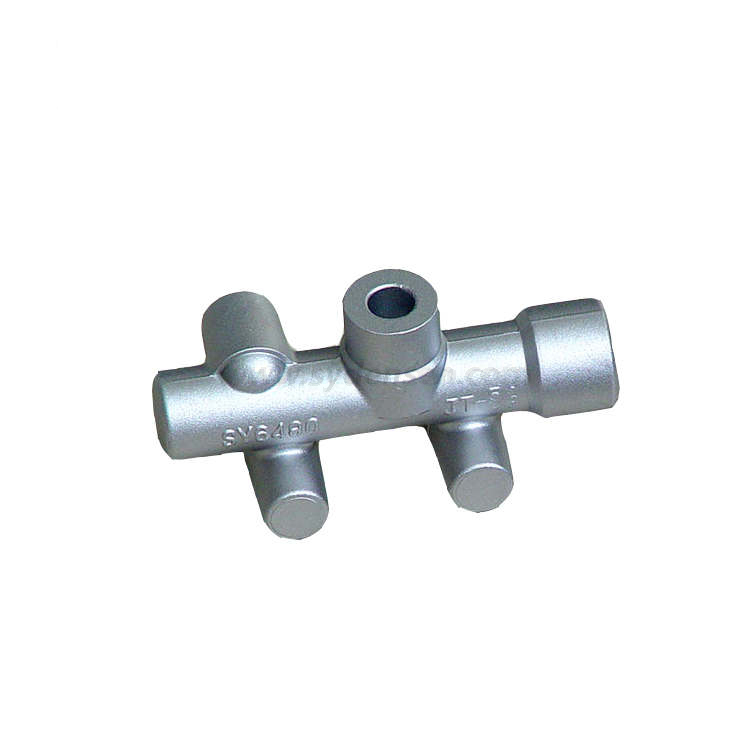
Furthermore, reusing scrap steel within the factory itself can considerably decrease waste, transforming spin-offs right into functional sources. Lean making concepts also add to waste reduction by streamlining procedures and getting rid of unneeded steps, bring about extra reliable operations.
Moreover, routine maintenance of devices guarantees peak efficiency, avoiding failures that can result in squandered materials. By concentrating on these strategies, factories not just decrease expenses however likewise add to sustainable methods, straightening with the expanding demand for environmentally responsible production methods in commercial applications.
The Competitive Advantage of High-Quality Components in the Market
Top quality elements supply a significant competitive benefit in the foundry market, where precision and resilience are extremely important. Suppliers that prioritize superior products and workmanship can improve item performance and reliability, bring about raised customer contentment. This advantage is particularly obvious in sectors such as vehicle and aerospace, where part failure can have tragic repercussions.
Additionally, premium components commonly cause lower maintenance costs and prolonged product life-spans, which can be appealing marketing factors for potential customers. As market needs expand for lasting and efficient modern technologies, the focus on quality ends up being a lot more crucial. Firms that spend in high-quality foundry solutions not just boost their manufacturing processes yet also differentiate themselves from competitors that may give up high quality for cost savings. Consequently, the dedication to high-grade components inevitably translates into a more powerful market placement and long-term service success.
Regularly Asked Inquiries
What Kinds of Products Do Factory Services Commonly Function With?
Factory solutions generally deal with metals such as light weight aluminum, steel, brass, and iron, along with different alloys. They also browse around this web-site handle products like ceramics and composites, dealing with diverse commercial needs and specs in producing procedures.
Just How Do Foundry Provider Influence Overall Supply Chain Management?
Factory solutions considerably boost supply chain administration by streamlining product sourcing, minimizing preparations, and making certain consistent high quality. Their capacity to give tailored services cultivates cooperation among stakeholders, ultimately enhancing general operational effectiveness and responsiveness in production.
What Industries Benefit A Lot Of From Shop Providers?
Industries such as automotive, customer, building and construction, and aerospace items significantly gain from shop solutions. These sectors depend on accuracy spreadings to meet strict high quality requirements and enhance their overall manufacturing procedures and item performance.
Are Shop Providers Eco friendly and lasting?
Factory services can be eco friendly and sustainable, especially when using sophisticated modern technologies and procedures - Aluminum Foundry. Advancements such as recycling materials, reducing discharges, and enhancing power usage add to lessening their ecological impact in industrial applications
Just How Can Firms Select the Right Shop Company?
Firms can choose the right foundry company by evaluating knowledge, production capabilities, quality certifications, technology used, consumer reviews, and sustainability practices while making certain alignment with their details task demands and long-term company objectives.
Shop solutions play a necessary duty in enhancing production performance and quality throughout various commercial applications. The collaboration between shops and suppliers fosters a better understanding of manufacturing needs, leading to optimized processes and improved product layouts. Reliable factory methods play a vital role in minimizing lead times within manufacturing settings. By employing sophisticated formulas and software application, factories can optimize workflows, lining up production schedules with need forecasts and resource schedule. Firms that invest in top notch shop services not only improve their manufacturing procedures yet also separate themselves from competitors that may sacrifice top quality for expense savings.